TFUCare Guides
Sichuan (Chengdu) Travel Guide: The 2026 Edition
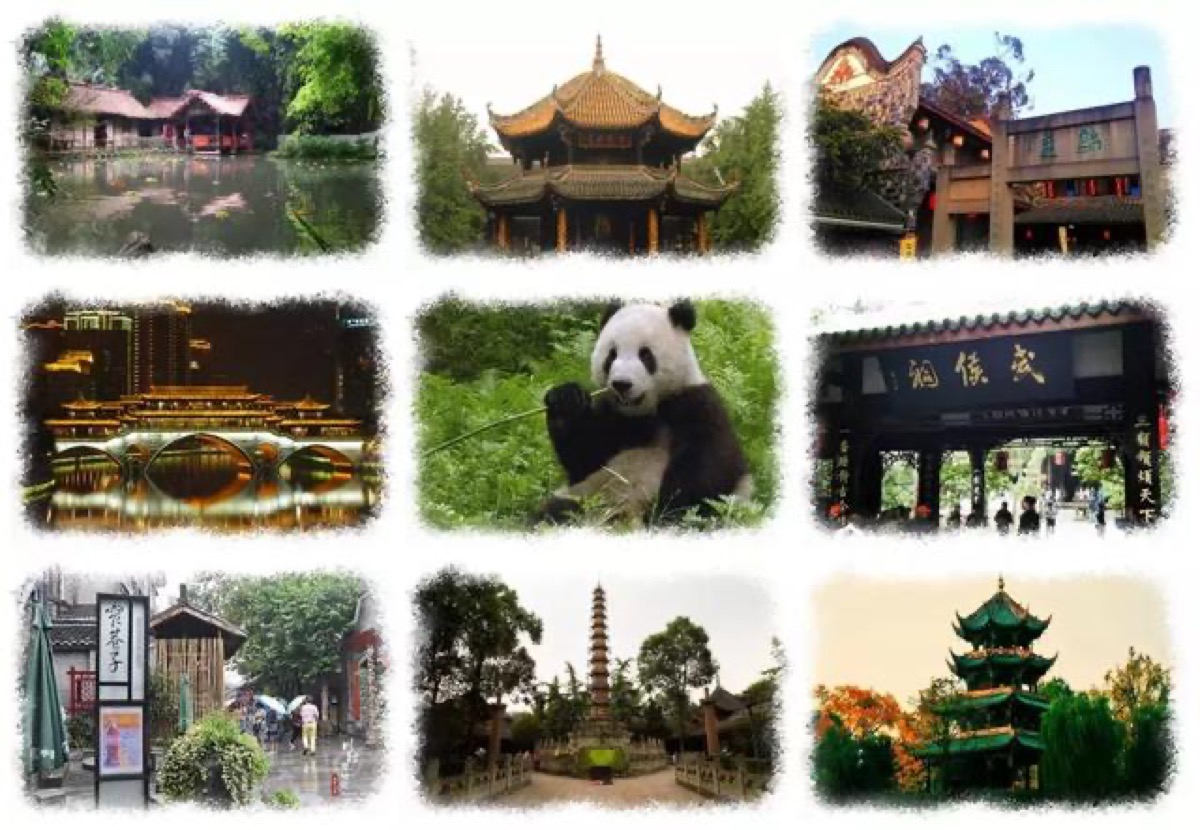
Chengdu is one of the few cities where world-class treatment and a genuinely rewarding recovery destination share the same address. The panda base sits inside the city, Dujiangyan is 30 minutes away by rail, the Leshan Giant Buddha about an hour — and Chongqing, the mountain metropolis famous for hotpot, is just one hour by high-speed train. This guide covers what to see, and how hard you can push it while recovering.
A principle first: match the trip to your recovery
- Days 0–3 after treatment — rest at the hotel; a teahouse or a slow stroll near your lodging is plenty
- Week 1 — light city sightseeing (panda base, Kuanzhai Alleys) at your own pace
- Week 2 and beyond — day trips and Chongqing, subject to your doctor's advice
- Long distances and high altitudes (Jiuzhaigou, Daocheng) belong to late recovery — always confirm with your treating physician first
Inside Chengdu
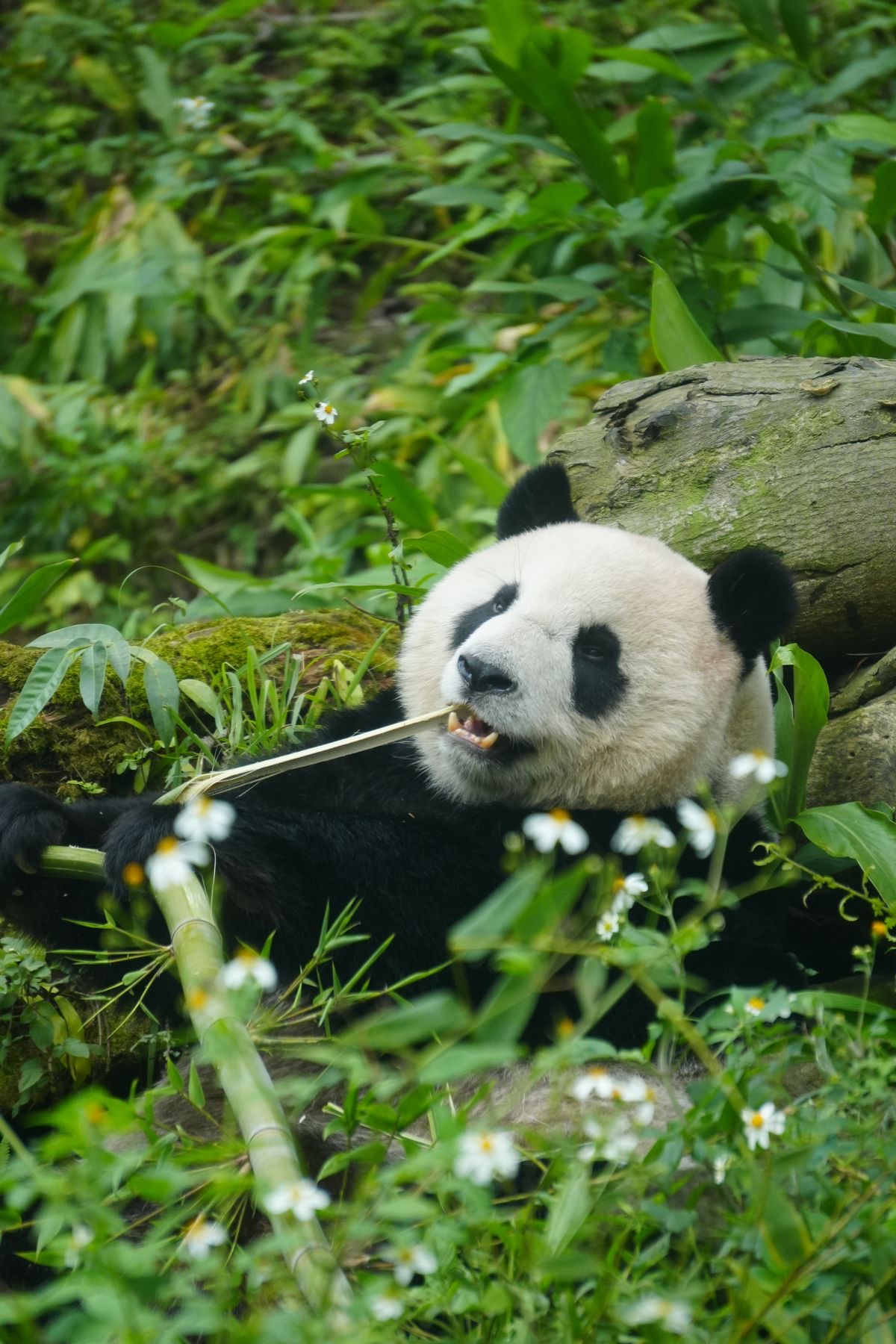
The panda base is inside the city — early mornings when pandas are most active
- Giant Panda Base — 30–40 minutes from downtown; go early morning when pandas are most active
- Kuanzhai Alleys & Jinli — Qingming-era streets, snacks and handicrafts
- People's Park teahouse — the authentic slow-Chengdu experience: bamboo chair, gaiwan tea
- Wuhou Shrine & Du Fu Thatched Cottage — history within easy walking distance
- Taikoo Li / Chunxi Road — modern Chengdu for an easy evening
Within an hour: Dujiangyan, Leshan, Mount Emei
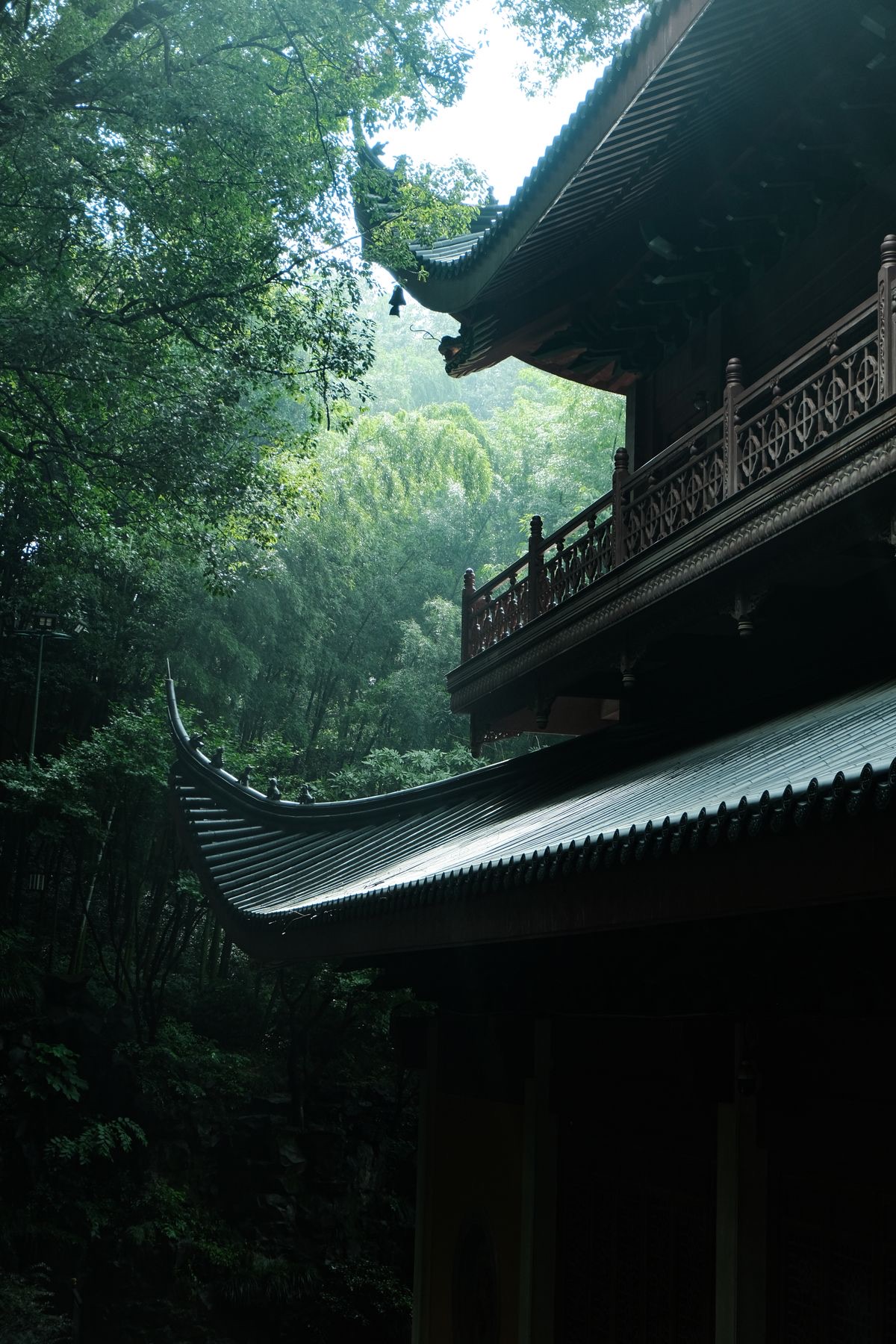
Temples in the green mountains west of Chengdu — Qingcheng Shan and Mount Emei
- Dujiangyan & Mount Qingcheng — 2,000-year-old irrigation works and a Taoist mountain, about 30 minutes by rail
- Leshan Giant Buddha — the 71-meter cliff-carved Buddha, roughly an hour by high-speed rail
- Mount Emei — Buddhist mountain and hot springs; cable cars make it recovery-friendly
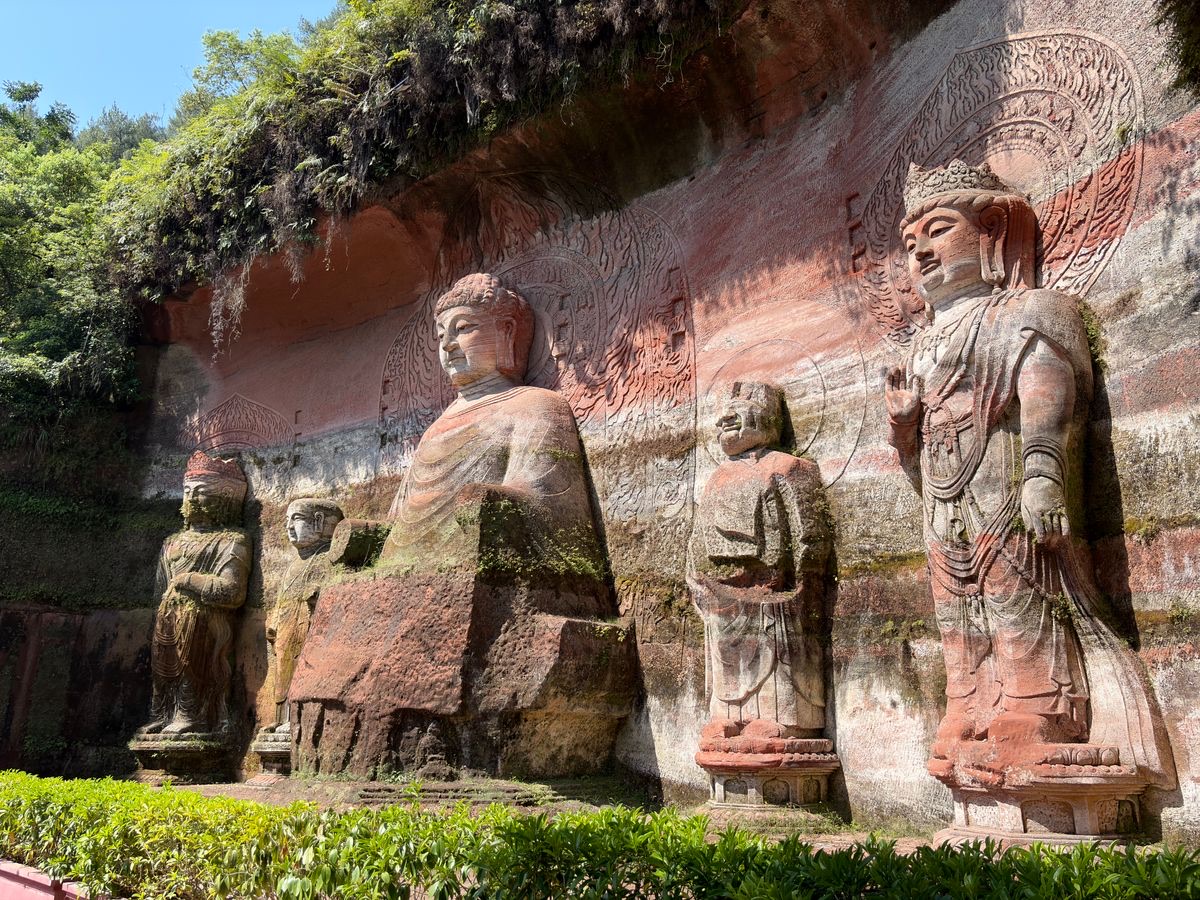
Cliff-carved Buddha statues at Leshan, Sichuan
Sichuan–Chongqing: one hour apart
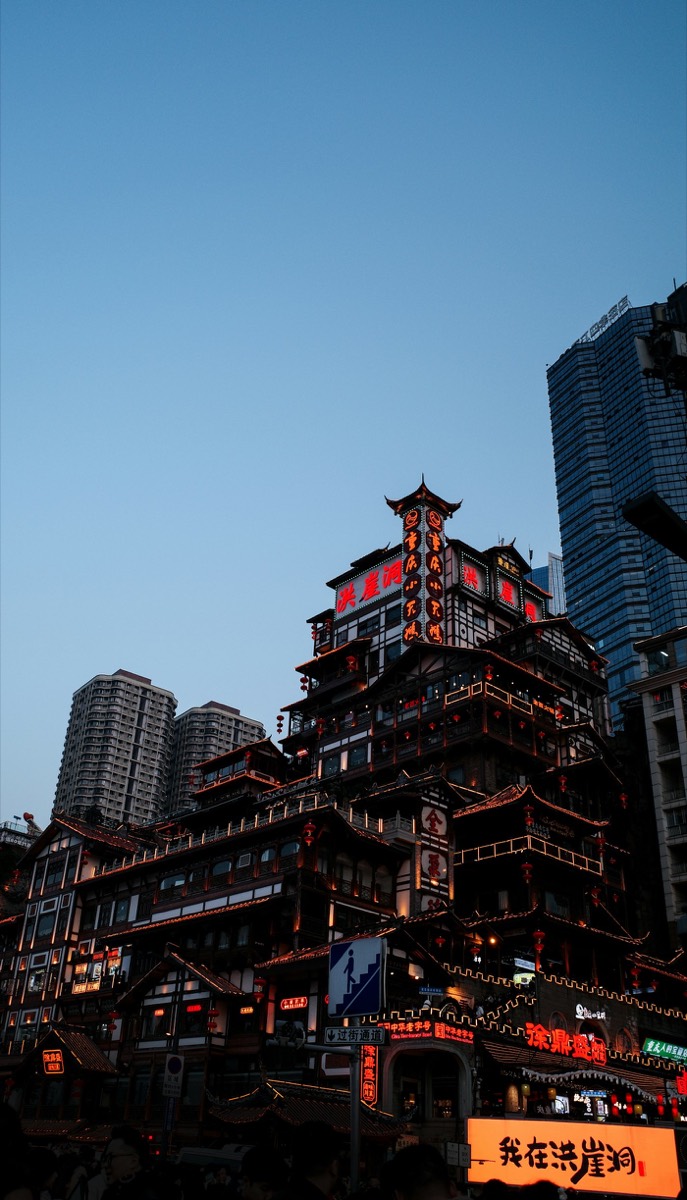
Hongya Cave at night — golden stilt-house lights above the river, one hour from Chengdu by rail
The Chengdu–Chongqing high-speed railway covers the distance in about an hour, making a two-city recovery trip effortless. In Chongqing: the cliff-side lights of Hongya Cave, the Yangtze River cableway, Ciqikou ancient town and a hotpot scene even fierier than Chengdu's. Two to three days is ideal.
Further afield, for late recovery
- Jiuzhaigou — alpine lakes and waterfalls; about 2 hours by rail or 1 by air, best from late autumn
- Duoxu / Daocheng Yading — spectacular but above 4,000 m altitude: not suitable soon after surgery; only with medical clearance
Eat like a local (within doctor's orders)
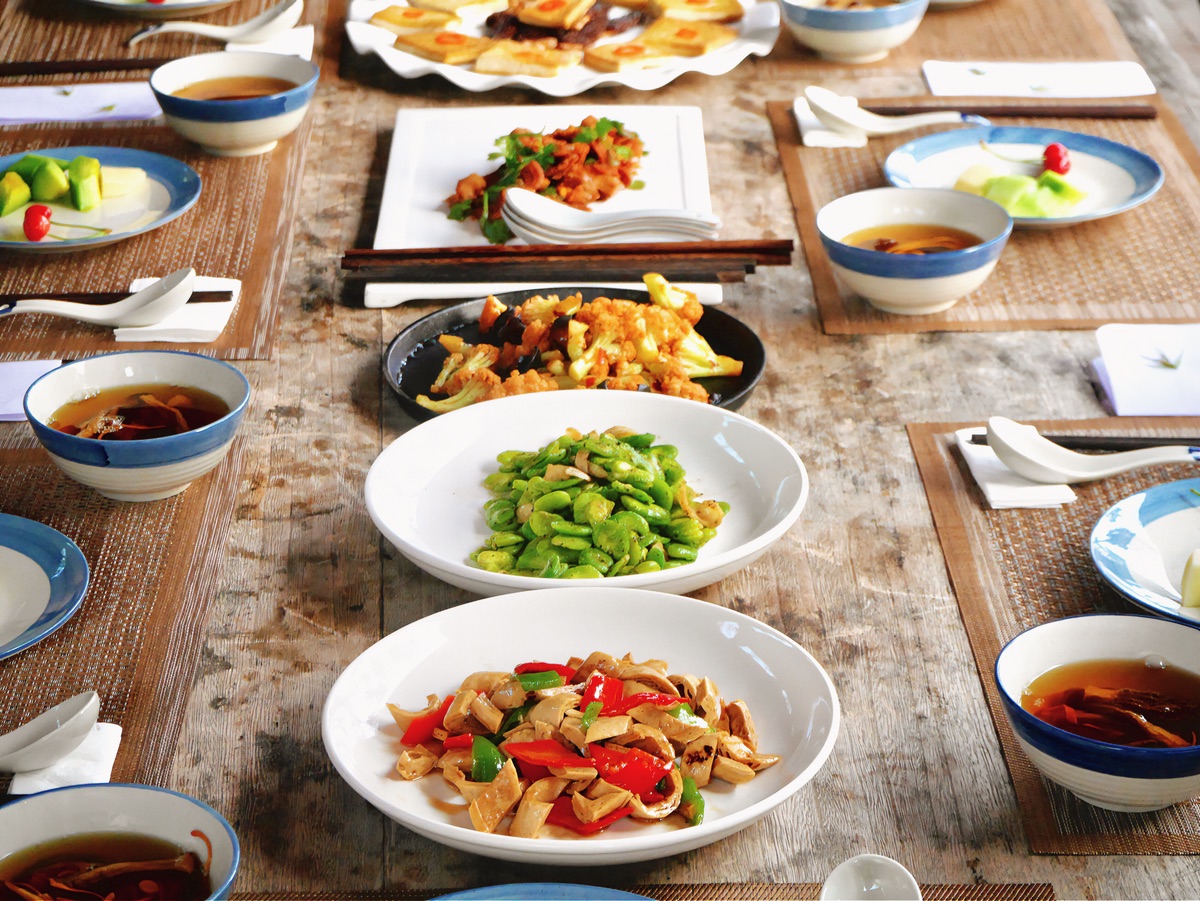
Authentic Sichuan cuisine — kung-pao chicken, mapo tofu, twice-cooked pork
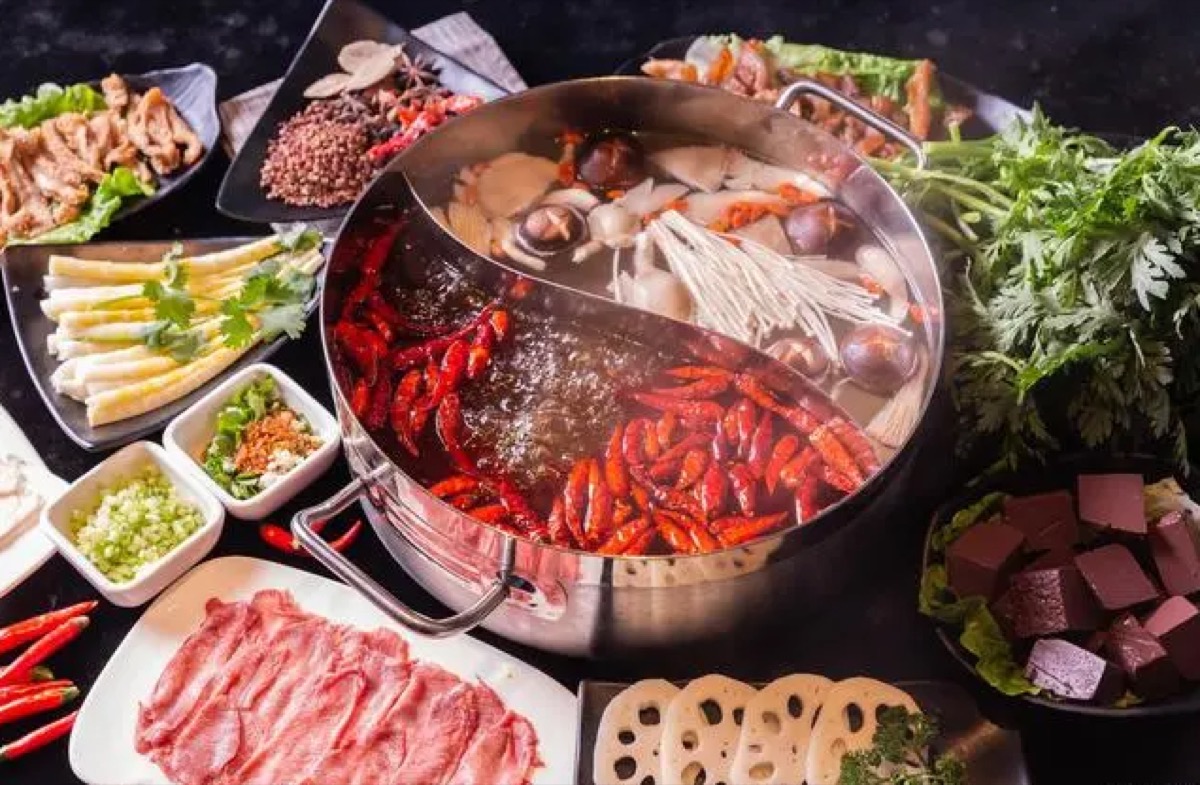
Chongqing nine-grid hotpot — famously fiery; order the divided pot (yuanyang) to keep one side mild
Hotpot (ask for yuanyang — a divided pot with a mild broth side), kung-pao chicken, mapo tofu, dan-dan noodles, and gaiwan tea in a courtyard teahouse. During treatment, follow your doctor's dietary advice — the mild side of the pot exists precisely for you.
Practical notes
- Best seasons — March–June and September–November
- Getting around — metro, DiDi ride-hailing; we help set up mobile payment on day one
- Language — your TFUCare coordinator can accompany sightseeing trips on request
FAQ
Can I sightsee during treatment? Between procedures, light city outings are usually fine — we check with your care team and plan accordingly.
Is Chongqing worth the trip? Yes — one hour each way by train makes it an easy 2–3 day add-on.
Free consultation with a reply within 24 hours — no obligation, no pressure, honest answers.
Get a Free ConsultationCompiled by the TFUCare editorial team from public sources including hospital websites and the Nature Index tables. For reference only — not medical advice and not a quotation; treatment plans and costs are determined by the treating hospital, and entry policies follow the latest announcements of China's National Immigration Administration. TFUCare is an independent patient-service company, not a medical institution.