IVF in China: 2026 Cost and Eligibility Guide
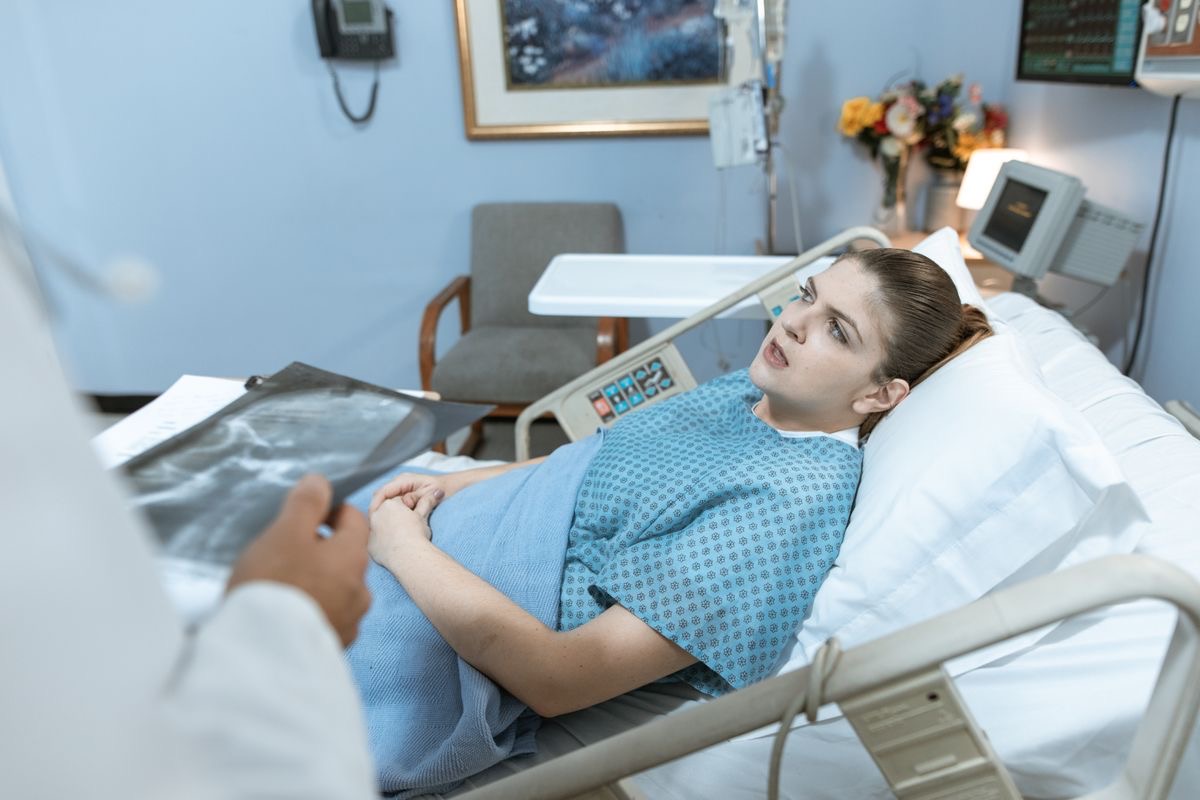
Quick answer: a standard IVF cycle in China typically costs $4,000–9,000 including drugs and embryo transfer, against $12,000–25,000 in the US. China also has some of the highest-volume fertility centres in the world, which matters more than most clinics admit — cumulative success depends heavily on how many cycles a centre runs per year. But the eligibility rules are strict and unlike most Western countries, so read the next section before you plan anything.
Who is legally eligible — read this first
China regulates assisted reproduction at national level, and the rules are not the same as in Europe or North America. The core requirements under the relevant regulations are:
- Marriage. Treatment is provided to married couples. A marriage certificate is required, and it must be legalised or apostilled and translated. Single people and same-sex couples cannot access IVF in mainland China, full stop. This is the single most common reason an enquiry ends early, and we would rather tell you now than after you have paid for flights.
- Medical indication. A documented fertility indication is needed. "Social" or elective fertility treatment without an indication is not available.
- Identity documents. Passports, marriage certificate and, for some hospitals, proof of legal residence. Requirements vary slightly between provinces.
- Gamete and embryo rules. Donor gametes are available in defined circumstances. Surrogacy is prohibited. Embryo genetic testing (PGT) is permitted for medical indications, not for sex selection.
If your situation falls outside these rules, no hospital or agency can arrange around it, and anyone who says they can is putting your money and your legal position at risk.
What drives the cost
The headline number is far less informative than the breakdown, because the drug protocol and how many cycles you need dominate everything else:
- Stimulation drugs. The largest single variable — often 30–50% of a cycle's cost, and it varies with age, ovarian reserve and protocol.
- Cycle type. Fresh transfer, frozen embryo transfer (FET), or a freeze-all strategy, which is increasingly standard.
- Add-ons. ICSI, PGT-A, assisted hatching, embryo glue, endometrial receptivity testing. Some have good evidence, several do not. Ask what your specific indication is for each.
- How many cycles. This is the number that actually determines what you spend. Ask for cumulative live birth rate over three cycles, not per-cycle success for the best age band.
Cost comparison
| Item | China (ref.) | US (ref.) | UK private (ref.) |
|---|---|---|---|
| Standard IVF cycle (incl. drugs, transfer) | $4,000–9,000 | $12,000–25,000 | $6,000–12,000 |
| ICSI add-on | $400–1,200 | $1,500–3,000 | $1,000–2,000 |
| Frozen embryo transfer (FET) | $1,200–2,500 | $3,000–5,000 | $2,000–3,500 |
| PGT-A, per embryo batch | $1,500–3,500 | $3,000–6,000 | $2,500–4,500 |
| Initial consultation and workup | $150–500 | $500–1,500 | $400–1,000 |
| Egg freezing cycle (for comparison) | $2,500–5,000 | $8,000–15,000 | $4,000–7,000 |
Reference ranges from public sources (USD, ≈ RMB 7.1). Not a quotation. Drug costs vary substantially with protocol and body weight.
Success rates, honestly
Age is the dominant variable and no clinic changes that. As a general picture for IVF using a woman's own eggs, live birth per transfer is roughly 35–45% under 35, falls to about 20–30% at 35–39, and to roughly 5–15% at 40–42, with a further decline after that. Cumulative rates over several cycles are meaningfully higher, which is why the three-cycle figure is the one to request.
Two things to watch for. First, centres that quote "success rates above 60%" are usually reporting a selected subgroup — often women under 35 with a good prognosis, or pregnancy rather than live birth. Second, embryo testing reduces miscarriage and the number of transfers needed, but it does not raise the live birth rate per cycle in every group, and it adds cost.
How TFUCare helps
We check your eligibility against the current rules before you plan travel, coordinate with the hospital's reproductive medicine department, arrange translation of your marriage certificate and prior fertility records, and accompany you to monitoring scans and the transfer. Medical fees are paid directly to the hospital, never through us. If your case is not eligible in mainland China, we will tell you that plainly rather than keep the enquiry open. Start with a free case review.
Questions we get about this
Can single people or same-sex couples have IVF in mainland China?
No. Treatment is provided to married couples, and a marriage certificate is required, legalised or apostilled, and translated. Single people and same-sex couples cannot access IVF in mainland China, and there is no exception. This is the single most common reason an enquiry ends early, and no hospital or agency can arrange around it — anyone who says they can is putting your money and your legal position at risk. We would rather tell you at the first message than after you have paid for flights and a hotel.
How long does it take to get an answer?
About 24 hours on business days from the free case review. That first reply names one hospital we would point you to, gives a realistic cost range drawn from published figures, and says whether China is a sensible option for your condition at all. If the hospital has to review imaging before it will commit, expect two to four working days instead — we tell you which of the two it will be before you send anything, so you are never waiting without knowing why. Cases that need a named specialist's opinion rather than a department's take weeks, not days, and we say so rather than let the clock run.
What do you charge, and who do I pay?
The case review is free and carries no obligation. Two paid levels follow it, with the amounts published on our pricing page: a Hospital Acceptance Check, which puts your case in front of hospitals and brings back their written answer, and Full Journey Management, which covers preparation, appointments, visa invitation letter, airport pickup, bilingual accompaniment and follow-up. Medical fees are always paid by you directly to the hospital — we never handle treatment funds, and no invoice of ours ever contains a hospital charge. That separation is deliberate: it is the strongest protection against the deposit scams this industry is known for.
Can I enter China visa-free for treatment?
Not on the ordinary visa-free route, and this is the correction most websites get wrong. The officially listed permitted purposes are business, tourism, family visits, exchange and transit — medical treatment is not among them, and border inspection may refuse entry where the stated purpose does not match the visa-free rules. A trip whose main purpose is treatment therefore needs an M visa, normally supported by an invitation letter from the treating hospital, which we help prepare. Short consultations, check-ups and imaging can legitimately sit inside an ordinary visit, and we will tell you honestly which side of the line your case falls on.
Does anyone speak English at the hospital?
Inside the international department, yes — the coordinators and many of the physicians are bilingual, and some trained in the US, UK or Germany. Outside it, English is limited, and that boundary is where problems start: the pharmacy, the billing window, the imaging reception and the ward nurses may have no English at all. That is precisely why a coordinator accompanies you through registration, consultation, imaging, admission and discharge rather than leaving you to manage alone, and why we translate your records into Chinese before you arrive rather than during the appointment.